


Exploring the Inspiration and Process Behind the Diptych Artworks "ανά(βλεψις-ςψ)" and "κρ(ύψις-ςψ)"

Art has the power to reveal hidden layers of the human experience. It can capture moments of transformation, reflection, and psychological depth. The diptych artworks "ανά(βλεψις-ςψ)" and "κρ(ύψις-ςψ)" embody this power through their unique conceptual design and symbolic use of language. These pieces invite viewers on a journey of seeing and concealing, of awakening and retreating, all while engaging with the very titles that frame them.
In this post, I will share the inspiration behind these works, the creative process that shaped them, and the meaning embedded in their titles and structure. I will also touch on how these artworks reflect a psychological transformation, offering a space for contemplation and emotional resonance.
The Conceptual Depth of the Diptych
The two pieces, "ανά(βλεψις-ςψ)" and "κρ(ύψις-ςψ)", are designed as a diptych—a pair of artworks meant to be viewed together. Each title is composed with Greek roots and carefully placed parentheses, which are not just decorative but integral to the meaning and visual impact.
The word "ανά(βλεψις-ςψ)" can be understood as a form of "re-vision" or "seeing again," suggesting a moment of awakening or renewed perception. The parentheses isolate the fragment "βλεψις," which means "vision" or "sight," highlighting the act of looking itself. The suffix "-ςψ" adds a layer of abstraction, inviting the viewer to consider the process of perception as something fluid and evolving.
In contrast, "κρ(ύψις-ςψ)" revolves around the idea of concealment or hiding. The root "κρύψις" means "hiding" or "covering," and the parentheses isolate "ύψις," which can be linked to height or elevation, suggesting a tension between exposure and protection. The suffix "-ςψ" again introduces a subtle complexity, hinting at the psychological layers beneath the surface.
Together, these titles frame a dialogue between revelation and concealment, between the conscious act of seeing and the unconscious impulse to hide. This duality is central to the diptych’s emotional and intellectual impact.

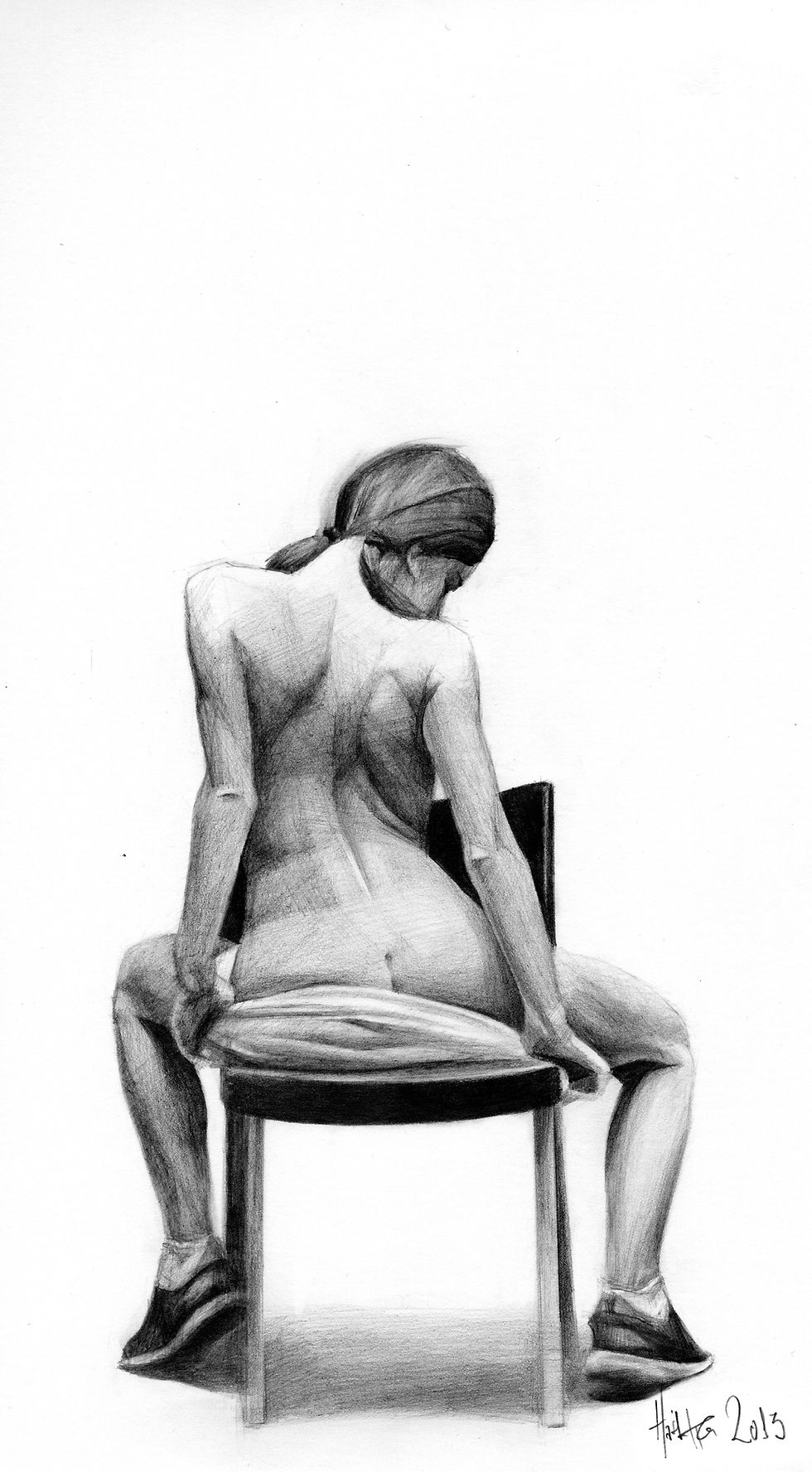
Κρ(ύψις-ςψ)

Ανά(βλεψις-ςψ)
The Role of Parentheses and Keywords in the Artwork
The use of parentheses in the titles is a deliberate choice that extends beyond language into the visual realm. Parentheses act as a frame within a frame, a pause within a word, inviting the viewer to focus on what is enclosed and what lies outside.
This framing technique mirrors the psychological themes of the artworks. Just as parentheses isolate a part of the word, the artworks isolate moments of perception and concealment. They create a space where the viewer can reflect on what is revealed and what remains hidden.
The keywords within the parentheses—"βλεψις" (vision) and "ύψις" (height or elevation)—serve as anchors for the viewer’s interpretation. They are not just linguistic elements but symbols that resonate with the themes of transformation and inner journey.
By integrating these keywords into the titles and the visual composition, the artworks become a layered experience. The viewer is invited to move between the literal and the metaphorical, between seeing and understanding.
The Artistic Process Behind the Diptych
Creating "ανά(βλεψις-ςψ)" and "κρ(ύψις-ςψ)" involved a careful balance of concept, form, and technique. The process began with research into the meanings of the Greek roots and their philosophical implications. This research informed the choice of words and the decision to use parentheses as a visual and conceptual device.
The next step was sketching and experimenting with how the titles could be integrated into the artwork itself. The goal was to make the titles part of the visual narrative, not just labels. This meant playing with typography, spacing, and composition to ensure the words and symbols interacted harmoniously with the painted elements.
The painting process involved layering textures and colours to evoke the psychological states suggested by the titles. For "ανά(βλεψις-ςψ)," lighter tones and open spaces suggest awakening and clarity. For "κρ(ύψις-ςψ)," darker shades and denser forms evoke mystery and introspection.
The Psychological Journey Depicted
At the heart of these diptychs is a psychological journey. "ανά(βλεψις-ςψ)" represents a moment of insight, a lifting of the veil that allows new understanding. It is a visual metaphor for awakening, clarity, and the courage to see oneself and the world anew.
"κρ(ύψις-ςψ)" reflects the opposite yet complementary state: the need to withdraw, to protect, and to conceal. It acknowledges the shadows within us, the parts we hide from others and sometimes from ourselves.
Together, these artworks map a cycle of transformation. They suggest that growth involves both revelation and concealment, that the psyche moves between openness and guardedness. This dynamic is something I aimed to capture not only in the titles but in the textures, colours, and forms of the paintings.
How the Titles Integrate into the Artwork
The titles "ανά(βλεψις-ςψ)" and "κρ(ύψις-ςψ)" are not separate from the artworks but woven into their very fabric. The Greek letters and parentheses appear as visual elements within the paintings, blending with abstract shapes and textures.
This integration blurs the line between text and image, inviting viewers to engage with the artworks on multiple levels. The titles become part of the visual rhythm, guiding the eye and shaping the emotional response.
This approach reflects a broader trend in contemporary art where language and image coexist, each enriching the other. It also aligns with my artistic vision of creating works that are both realistic and metaphysical, grounded in form but open to interpretation.
Final Thoughts on the Diptych’s Impact
The diptych "ανά(βλεψις-ςψ)" and "κρ(ύψις-ςψ)" offers more than visual appeal. It invites a quiet reflection on how we see and hide, how we reveal and protect. The use of Greek roots and parentheses adds a layer of intellectual engagement, while the textures and colours evoke emotional responses.
These artworks stand as a testament to the power of art to explore complex psychological states and to connect with viewers on a deep level. They encourage us to consider our own journeys of transformation and the balance between openness and concealment.
Exploring the journey of "ανά(βλεψις-ςψ) and κρ(ύψις-ςψ)" reveals how art can embody transformation through language and form. These pieces invite us to look deeper, to embrace both the light of revelation and the shadows of concealment. They remind us that the act of seeing is never simple but always layered with meaning.


Comments